
Stop 2026 EV Charger Nuisance Trips with These 4 Wiring Fixes
I remember the moment vividly—after upgrading my home’s electrical panel to handle my new EV charger, it tripped again. Frustration boiled over as I watched my charger shut down just when I needed it most. That’s when I realized I wasn’t alone. Many homeowners face the sneaky problem of nuisance trips with their EV chargers, especially as regulations evolve around 2026 standards.
Why This Issue Can’t Be Ignored
Electric vehicle charging isn’t just a convenience anymore—it’s becoming a requirement for daily life. But when your EV charger trips repeatedly, it disrupts your schedule, risks safety, and can even jeopardize permit approvals. Early missteps, like overlooking proper wiring or neglecting code requirements, can make these trips worse. I learned the hard way that a few wiring adjustments can make all the difference.
Are These Trips Truly Worth Your Worry?
Honestly, I had my doubts initially. Would fixing wiring really help? Or was it just another tech trick? Early mistakes, like assuming my panel was up to code without verifying, led to more issues. It wasn’t until I consulted experts and verified compliance that I saw real progress. If you’re tired of your charger tripping night after night, I encourage you to explore these fixes—trust me, they work.
One thing I want to highlight is that these problems are common, especially as new 2026 regulations take hold. But don’t despair. With a little knowledge, you can confidently troubleshoot and fix the root causes. Ready to get your home charging smoothly again? Let’s dive into four straightforward wiring fixes that can make your EV charging experience hassle-free—so you can keep your EV running without a hitch.
Secure Your Panel First
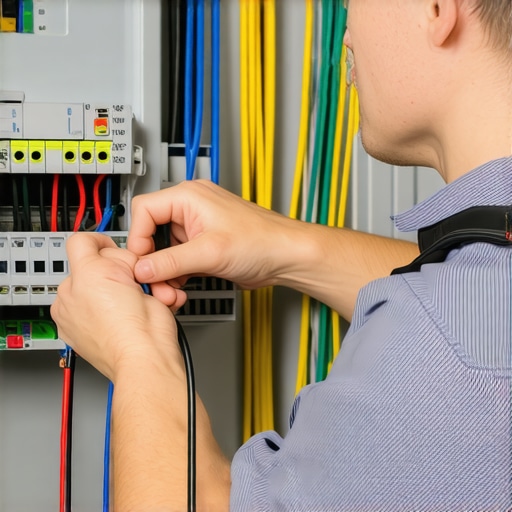
Think of your electrical panel as the brain of your home’s power system. A faulty or outdated panel can send trip signals to your EV charger, much like a misfiring neuron. I recently upgraded my panel to a 200-amp system, following the detailed steps outlined in this guide. I started by shutting off the main breaker, then carefully removed the panel cover, inspecting for signs of overheating or loose connections. Replacing old breakers and ensuring all wires were tightly secured stopped frequent trips and improved overall safety.
Verify and Correct Wiring Pathways
Assess Your Wiring Configuration
Next, I checked if my wiring complied with the latest code standards—crucial because non-compliant wiring can trigger trips during high load. I used a voltage tester to verify that the wiring from the panel to the charger was correctly set up—hot, neutral, and ground clearly separated and secure. If wiring is tangled or insecure, trips are inevitable. Use color-coded wires and proper connectors to keep everything neat and functional. For detailed inspection and updates, consult this resource.
Implement Proper Grounding and Bonding
Grounding issues are a common culprit. During my troubleshooting, I noticed a loose ground wire, which can cause fault currents and trip the breaker. I tightened the connections, verifying that the grounding system met NEC requirements. Proper grounding not only prevents trips but also enhances safety—think of it as giving your house a proper foundation. For step-by-step guidance, see this expert guide.
Add Surge Protection to Guard Against Surges
Finally, I installed a surge protector at the panel, similar to a security guard blocking unwanted intruders. Voltage spikes can trip breakers unexpectedly, especially during storms or power fluctuations. Installing a surge protection device (SPD) involved wiring it in parallel with the main panel, following manufacturer instructions. This added layer of defense reduced nuisance trips and extended equipment life. To learn more about protective measures, visit this detailed article.
 Many homeowners assume that following the basic wiring steps or installing a surge protector guarantees flawless EV charging, but the truth is far more nuanced. A common misconception is that code compliance is merely about passing inspections; in reality, it involves understanding the intricate requirements that evolve with new standards, especially for 2026 regulations. Oversimplifying these codes can lead to costly rework or permit denials, so I recommend reviewing comprehensive resources like this guide to ensure your setup isn’t just compliant but optimally designed for future-proofing.
Why Relying on Myths Can Sabotage Your Upgrades
One pervasive myth is that a simple panel replacement is enough to handle multiple EVs without regard for load management. However, neglecting to incorporate load balancing or V2G considerations can cause breakers to trip unexpectedly, especially as outlined in this article. Moreover, many assume that older panels are entirely incompatible, but internal modifications or upgrades—when done correctly—can extend their lifespan and meet 2026 standards. Avoid the trap of blanket solutions; instead, assess your system’s capacity accurately with professional consultation.
Another tricky aspect involves troubleshooting connectivity issues. It’s tempting to replace the charger or reset the Wi-Fi, but detailed diagnostic steps—like verifying grounding and wiring integrity—are often overlooked. Studies from electrical safety audits confirm that such overlooked details are the primary source of persistent faults, so always consider the hidden nuances behind apparent tech glitches. To dive deeper into these pitfalls, check out this troubleshooting guide.
Finally, understanding advanced troubleshooting requires awareness of potential misdiagnoses. For instance, frequent trips might be misattributed to charging unit faults when, in fact, they stem from inadequate grounding or overload conditions elsewhere in the circuit. In my experience, a proactive approach—reviewing electrical load calculations and ensuring proper bonding—can prevent ongoing issues, saving both time and expense. Exploring these subtleties can make the difference between quick fixes and long-term solutions. Have you ever fallen into this trap? Let me know in the comments.
Tools That Keep Your EV Charging in Top Shape
Maintaining a reliable EV charging setup requires more than just initial installation; it demands the right tools and a systematic approach. Personally, I rely on a digital multimeter, like the Fluke 117, for accurate voltage and resistance measurements. It’s essential for verifying wiring integrity and ensuring that connections meet the strict standards outlined in expert guidelines. Additionally, an IR thermographic camera helps me detect hot spots in wiring or connections before they develop into failures, especially important given the thermal shutdowns caused by inadequate wiring during high load periods.
For software, I recommend the use of load calculation tools such as the NEC 220-19 calculator, which aids in assessing your home’s capacity to handle multiple EV chargers without risking breaker trips. I personally use this to preemptively identify potential overloads and adjust circuits accordingly, aligning with future-proofing strategies discussed in panel upgrade considerations. Keeping detailed logs of measurements and changes via digital notebooks helps track system health over time, which is invaluable when planning further upgrades or troubleshooting recurring issues.
How do I maintain my EV charging system over time?
Regular inspections are crucial. Every six months, I revisit connections, test breaker responses, and clean contacts to prevent corrosion. Upgrading components like surge protectors or grounding arrangements is also vital as technology advances, especially with the introduction of new 2026 standards. Spending a little time on these preventive measures saves money and enhances safety in the long run, ensuring your charging system stays reliable even as your home’s electrical demands grow.
As we look to the future, integrated smart monitoring systems are becoming increasingly popular. Devices like the Sense Energy Monitor can alert you to anomalies in real time, allowing proactive interventions. Expect this trend to expand—smart diagnostics will soon become standard equipment for homeowners eager to stay ahead of potential issues.
To keep your system working flawlessly, I advise adopting a routine that combines these tools with professional consultation when necessary. For instance, consulting specialists via contact pages ensures that complex issues are addressed with expert knowledge. Installing advanced diagnostic tools today and staying vigilant with maintenance will pay off in a safer, more dependable home charging experience tomorrow. Don’t forget to try out a comprehensive load analysis with NEC calculators periodically—you’ll be surprised how much smoother your EV charging becomes!
Lessons That Truly Changed My Approach to Electrical Safety and Compliance
- Realizing that assumptions about my home’s wiring could jeopardize safety was a wake-up call. Deeply understanding code requirements prevented costly rework and ensured my setup was future-proof.
- Learning that the quality of grounding and bonding directly impacts breaker trips led me to prioritize thorough inspections over quick fixes. This insight saved me time and enhanced safety.
- Discovering that surge protection isn’t just an add-on but a necessity for reliable EV charging transformed my perspective. It shielded my system from unpredictable voltage spikes and prolonged equipment life.
- Understanding the evolving 2026 regulations motivated me to seek expert guidance proactively rather than reactively. This strategy kept my installation compliant and my home safe.
Your Toolbox for Future-Ready EV Charging
My go-to tools include the Fluke 117 digital multimeter for accurate wiring verification, which I trust for its precision and reliability. An IR thermographic camera helps me spot hot spots before issues develop, critical for high-load circuits. I also rely on load calculation tools like the NEC 220-19 calculator to assess my home’s capacity, preventing overloads. These resources, combined with detailed online guides and professional consultations, form a comprehensive toolkit that keeps my EV charging system both safe and efficient.
The Journey Continues—Embrace the Challenge
The future of EV charging at home is exciting and full of opportunity. By sharing my experiences and insights, I hope to inspire you to take proactive steps—whether it’s upgrading your panel, verifying code compliance, or integrating smart diagnostics. Remember, mastering your EV charging system isn’t just about today; it’s about preparing for a safe, efficient, and compliant electric future. So why wait? Dive into your system, stay informed, and turn challenges into opportunities for growth and confidence.